

full length mirror with lights
The Importance of Selecting the Right Measuring Tool Supplier In today's fast-paced industrial landscape, precision measurements are critical across various sectors, including manufacturing, construction, and engineering. The accuracy and reliability of measurements can significantly impact product quality, safety, and overall operational efficiency. Choosing the right measuring tool supplier is therefore essential for businesses that rely on precise measurement solutions. The Role of Measuring Tools Measuring tools play a pivotal role in numerous applications, ranging from simple tasks like measuring lengths and angles to complex processes involving temperature, pressure, and electrical measurements. Common measuring tools include calipers, micrometers, gauges, thermometers, and multimeters . Each of these tools must be calibrated correctly and maintained to ensure consistent accuracy. A reliable measuring tool supplier not only provides top-notch products but also offers valuable services such as calibration, training, and support. Factors to Consider When Choosing a Supplier 1. Quality of Products The quality of measuring tools is paramount. Customers should look for suppliers who offer tools manufactured to international standards, such as ISO 9001 certification. Renowned brands often guarantee better durability and accuracy, ensuring that businesses can depend on their measurements. 2. Range of Products A diverse product range is essential for businesses that require different measuring solutions. A good supplier will offer a comprehensive selection of measuring tools to meet varied application needs. This one-stop-shop approach saves customers time and effort in sourcing multiple suppliers for different tools. 3. Technical Expertise A supplier’s knowledge and expertise in the field of measurement technology can significantly influence the success of a business. Suppliers should be able to provide guidance on the selection of appropriate tools for specific applications and assist with technical support. measuring tool supplier 4. Calibration and Maintenance Services Accuracy in measurement can drift over time due to wear or environmental factors. Suppliers that offer calibration services ensure that tools remain accurate and compliant with industry standards. Regular maintenance services can also extend the life of measuring instruments. 5. Customer Support Reliable customer service is crucial, especially when issues arise with measuring tools. A supplier that is responsive to inquiries and provides timely assistance can help prevent downtime and maintain productivity. 6. Price and Value While price is an important factor, it should not be the sole determining criterion. Businesses should consider the overall value, including product quality, warranty, support, and service, alongside the price. In many cases, investing in a more expensive, high-quality tool pays off in the long run through enhanced accuracy and longevity. 7. Reputation and Reviews Researching a potential supplier's reputation in the industry can provide insights into their reliability and service quality. Customer reviews, testimonials, and case studies can help businesses gauge whether a supplier aligns with their needs. The Impact of Technology on Measuring Tools Advancements in technology have revolutionized the measuring tools sector. Digital measuring devices, data acquisition systems, and software integration have made it easier for businesses to gather and analyze measurement data. Suppliers that stay at the forefront of technology trends can provide more innovative solutions that enhance efficiency and accuracy. Conclusion Selecting the right measuring tool supplier is crucial for businesses that depend on precise measurements. By considering factors such as product quality, range, technical expertise, calibration services, customer support, and overall value, companies can make informed decisions that boost their operational efficiency and product quality. In an age where precision and reliability are non-negotiable, partnering with a reputable measuring tool supplier can be the key to a business's success. Investing in quality measurement tools and the right supplier is not just a financial decision; it is a strategic move that can contribute to achieving excellence in operations, ultimately leading to customer satisfaction and business growth.
about
full length mirror with lights
Understanding Manual Check Valves A Critical Component in Fluid Systems In the world of fluid control and management systems, check valves play an essential role in ensuring the efficient and safe flow of liquids and gases. Among the various types of check valves, manual check valves stand out due to their unique functionalities and applications. This article aims to provide an insightful overview of manual check valves, explaining their importance, operation, advantages, applications, and maintenance. What is a Manual Check Valve? A manual check valve is a mechanical device designed to control the flow of fluids within a system. Unlike automatic check valves, which rely on the pressure and flow of the fluid to open and close, manual check valves require human intervention to operate. Typically, these valves consist of a body, a seat, a disc, and a handle or lever that allows for manual operation. When the handle is engaged, the valve opens, enabling fluid to flow in a designated direction. Conversely, when the handle is disengaged, the valve closes, preventing backflow. Importance of Manual Check Valves Manual check valves are significant in various industries, including water treatment, chemical manufacturing, and oil and gas. They serve as a safeguard against backflow, which can lead to contamination, equipment damage, and operational inefficiency. By using manual check valves, operators can control the flow direction and regulate the process, ensuring that the system runs smoothly and safely. Operation of Manual Check Valves Operating a manual check valve is straightforward. The valve is typically installed in a pipeline and is designed to work at specific pressure ranges. When the handle is turned, the disc lifts off the seat, allowing fluid to flow through the valve. The operator decides when to open or close the valve based on system requirements, making it particularly useful in applications where precise control of fluid flow is necessary. One crucial aspect of manual check valves is that they are not designed for frequent operation; instead, they are used in situations where fluid flow needs to be temporarily interrupted. This characteristic helps to prevent wear and tear on valve components, extending their operational lifespan. Advantages of Manual Check Valves The primary advantage of manual check valves is their ability to provide precise control over fluid flow. Operators can open or close the valve as needed, allowing for better management of the system. Manual check valves are also generally more cost-effective than automatic alternatives, making them a popular choice for many applications. manual check valve Furthermore, they can be designed to withstand high pressures and temperatures, making them suitable for various challenging environments. Their simple construction also means that maintenance and repair are usually easier and less expensive than more complex valve systems. Applications of Manual Check Valves Manual check valves are commonly used in various sectors 1. Water and Wastewater Treatment They help manage flow in treatment plants, ensuring contaminants do not backflow into clean water sources. 2. Chemical Processing In chemical plants, manual check valves can prevent hazardous material from flowing back into storage tanks or reactors. 3. Marine and Shipbuilding Manual check valves are used in ballast systems and fuel transfer operations to maintain the correct fluid levels. 4. Oil and Gas They help control the flow of crude oil, natural gas, and other fluids through extensive pipeline networks. Maintenance of Manual Check Valves Regular maintenance is vital for ensuring the longevity and reliability of manual check valves. Operators should routinely inspect for leaks, corrosion, and any signs of wear. Lubrication of moving parts and ensuring that the operational mechanism is free from debris will help maintain functionality. If a valve shows signs of damage or malfunction, timely repairs should be made to prevent any disruption in the fluid management system. Conclusion In summary, manual check valves are integral components in fluid systems, offering controlled, safe, and efficient management of liquid and gas flows. Their unique advantages, from precise control to cost-effectiveness, underscore their importance across various industries. With proper maintenance and understanding of their operation, manual check valves can significantly enhance the reliability and efficiency of fluid systems.
-

High quality industrial productsagement

High quality industrial products
View Details -

Meet the diverse needs of customers

Meet the diverse needs of customers
View Details -

Strict quality control

Strict quality control
View Details -

Top raw materials

Top raw materials
View Details -

Trusted supplier

Trusted supplier
View Details
Our application



news and information

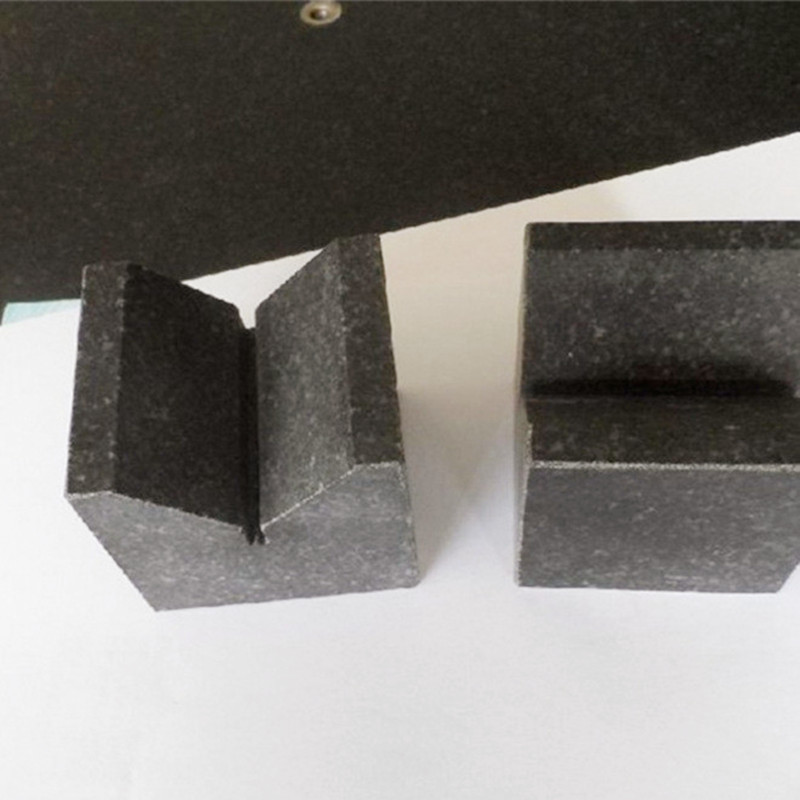
Vee Blocks for Sale - Premium Quality & Competitive Prices
Vee Blocks for Sale A Comprehensive Guide If you are in the manufacturing, engineering, or quality c
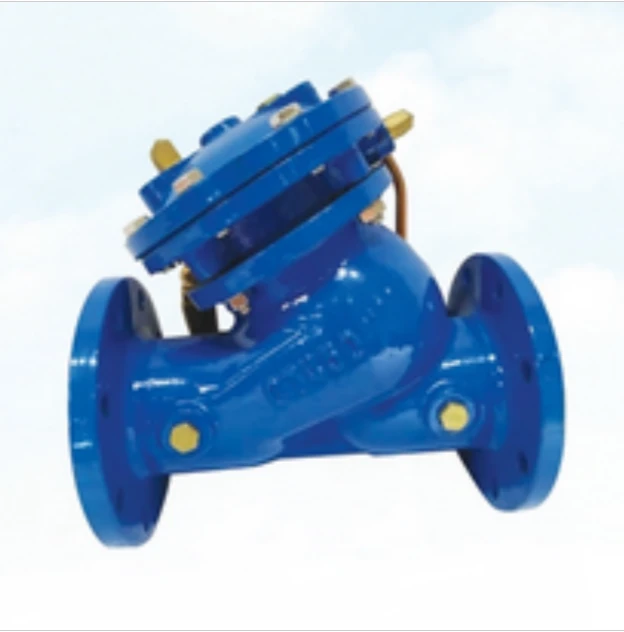
welding inspection ruler
The Importance of Welding Inspection Rulers in Quality Control In the world of manufacturing and con
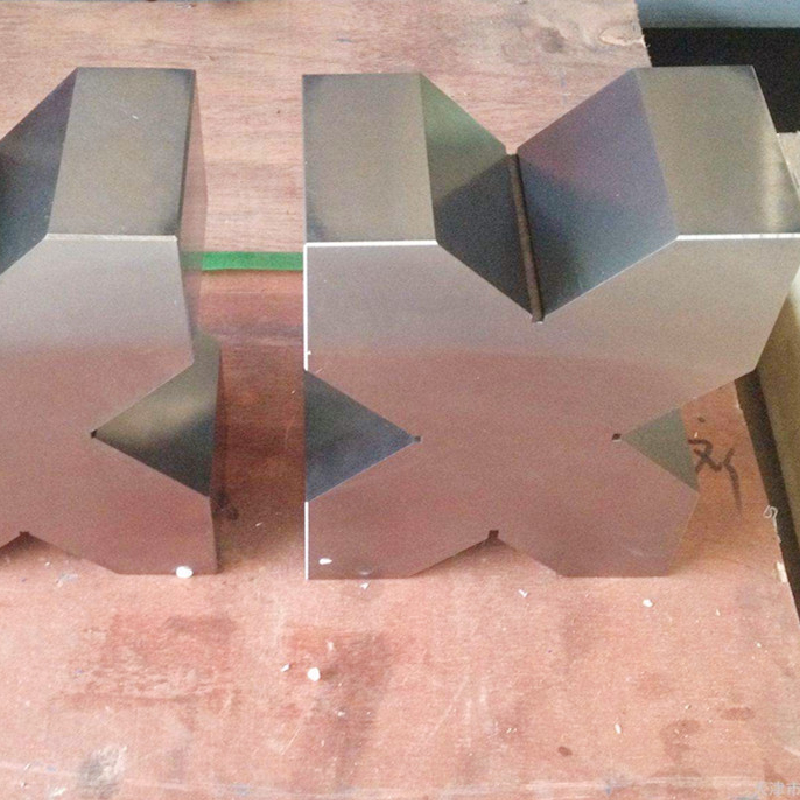
Water Valve Fails to Close Properly Leading to Leakage Issues and Concerns
Troubleshooting a Water Valve That Won't Shut Off Water valves play a crucial role in home plumbing
 English